Iceland - The Land of Fire and Ice
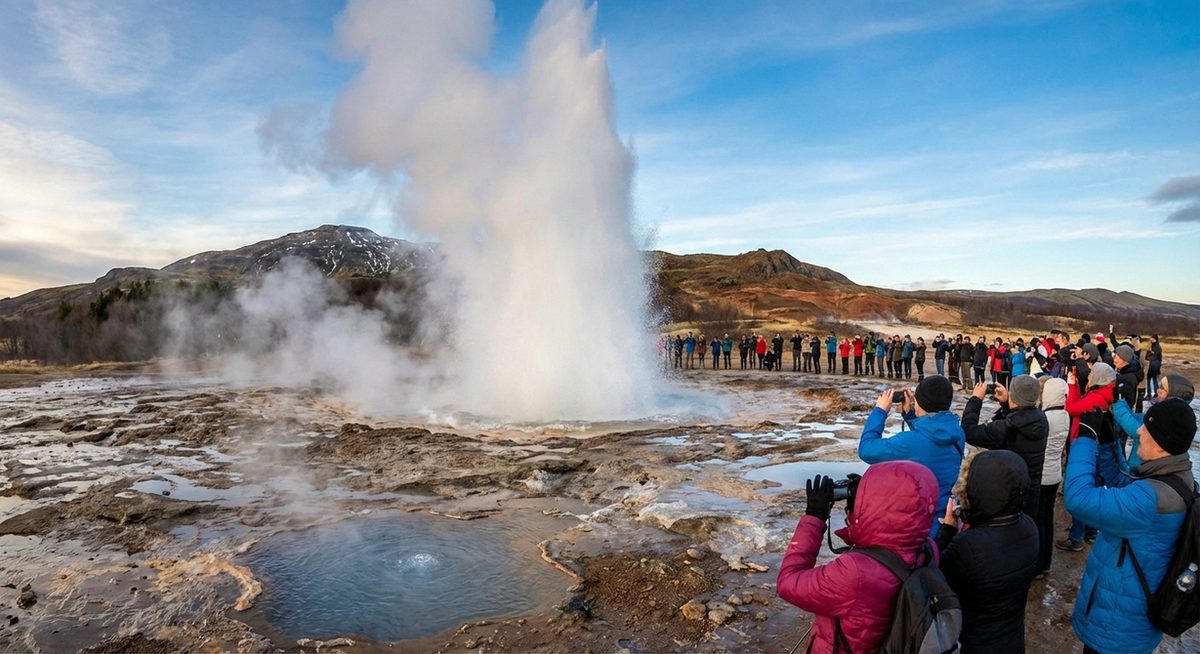
Iceland is a land of dramatic contrasts where glaciers meet volcanoes, geysers shoot into the sky, and the Northern Lights dance overhead. This Nordic island nation has become one of the world's most sought-after destinations for adventure seekers and nature lovers alike.
Iceland at a Glance
- Capital: Reykjavik
- Population: ~380,000
- Best time: June-Aug (Midnight Sun), Sept-March (Northern Lights)
- Currency: Icelandic Króna (ISK)
- Language: Icelandic (English widely spoken)
Top Attractions in Iceland
Golden Circle
Iceland's most famous route includes three stunning attractions: Þingvellir National Park (UNESCO World Heritage site where tectonic plates meet), Geysir (the original geyser that all others are named after), and Gullfoss (the magnificent "Golden Waterfall").
Blue Lagoon
The iconic milky-blue geothermal spa near Reykjavik is one of Iceland's most visited attractions. The mineral-rich waters maintain a comfortable 37-40°C year-round. Book well in advance!
Ring Road
Route 1 circles the entire island (1,332 km) and offers access to most of Iceland's highlights. Allow at least 7-10 days for a complete circuit.
Natural Wonders
- Waterfalls: Seljalandsfoss, Skógafoss, Dettifoss, Goðafoss
- Glaciers: Vatnajökull (Europe's largest), Snæfellsjökull
- Volcanoes: Eyjafjallajökull, Hekla, Katla
- Black Sand Beaches: Reynisfjara, Vík
- Northern Lights: Best viewed September-March
Unique Experiences
- Glacier hiking: Walk on ancient ice with crampons and guides
- Ice cave exploration: Crystal blue caves inside glaciers (winter only)
- Whale watching: Húsavík is the whale capital of Iceland
- Snorkeling Silfra: Crystal-clear water between tectonic plates
- Geothermal bathing: Natural hot springs across the country
Getting to Iceland
- By air: Keflavík International Airport (KEF), 45 min from Reykjavik
- Airlines: Icelandair, PLAY, many European carriers
- From Europe: 2-3 hours flight time
- From North America: 5-6 hours flight time
Best Time to Visit
| Season | Highlights | Considerations |
|---|---|---|
| Summer (Jun-Aug) | Midnight Sun, all roads open, hiking, puffins | Most expensive, crowded, no Northern Lights |
| Winter (Nov-Feb) | Northern Lights, ice caves, cheaper | Limited daylight, some roads closed, cold |
| Shoulder (Sep-Oct, Mar-May) | Northern Lights possible, fewer crowds | Weather unpredictable, some attractions closed |
Frequently Asked Questions
Is Iceland expensive?
Yes, Iceland is one of the world's most expensive countries. Budget around €150-250 per person per day for mid-range travel. Save money by camping, cooking your own food, and visiting free natural attractions.
Do I need a car in Iceland?
For the best experience, yes. While day tours from Reykjavik cover main attractions, having your own car offers flexibility. A 4x4 is recommended for highland roads (F-roads) and winter travel.
Can I see the Northern Lights in Iceland?
Yes! The Northern Lights season runs from September to March. Iceland's location just below the Arctic Circle makes it an excellent aurora destination. Get away from Reykjavik's light pollution for best views.