Norway Fjords - The World's Most Spectacular Coastline
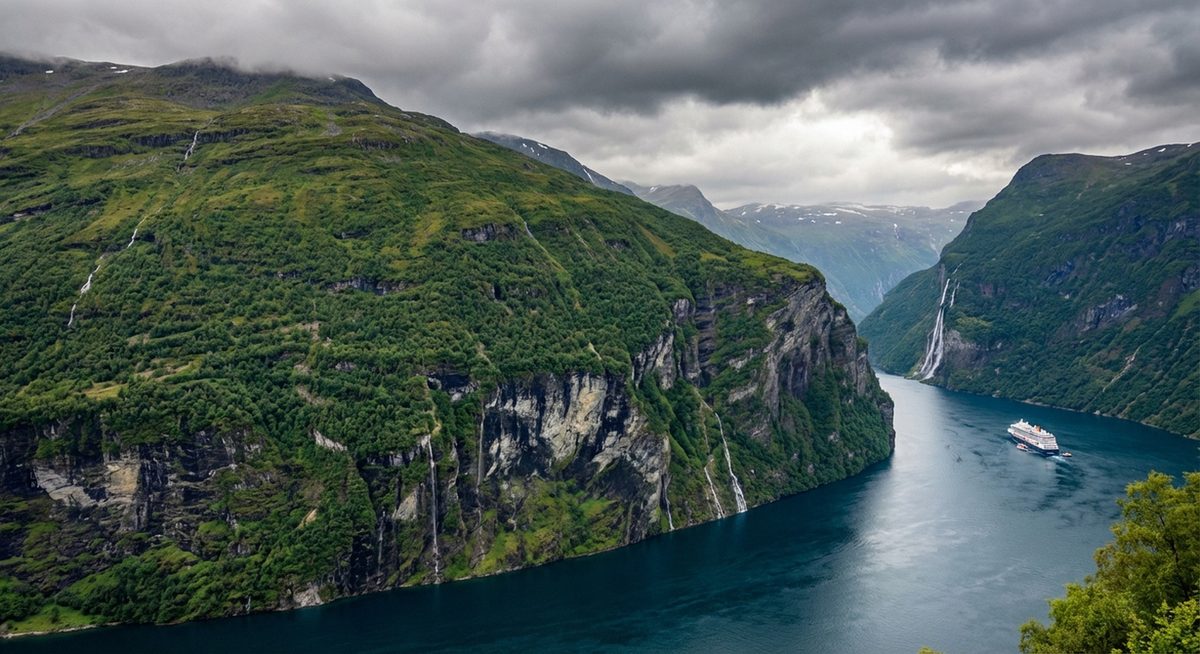
The Norwegian fjords are among the world's most breathtaking natural wonders. These deep, narrow inlets carved by ancient glaciers feature towering cliffs, cascading waterfalls, and crystal-clear waters. Two fjords - Geirangerfjord and Nærøyfjord - are UNESCO World Heritage Sites.
Norway Fjords at a Glance
- Location: Western Norway coastline
- Main hubs: Bergen, Ålesund, Stavanger, Tromsø
- Best time: May-September (summer), December-February (Northern Lights)
- Famous fjords: Geirangerfjord, Sognefjord, Hardangerfjord, Nærøyfjord
Top Fjords to Visit
Geirangerfjord
Perhaps Norway's most famous fjord and a UNESCO World Heritage Site. The 15-km fjord features the iconic Seven Sisters waterfall and is surrounded by snow-capped mountains. The village of Geiranger is the perfect base.
Sognefjord
Norway's longest and deepest fjord stretches 204 km inland and reaches depths of 1,308 meters. The Nærøyfjord branch is a UNESCO site, only 250 meters wide at its narrowest point.
Hardangerfjord
Known as the "Queen of Fjords" for its fruit orchards and gentle landscapes. Famous for the Trolltunga rock formation and spectacular springtime fruit blossoms.
Iconic Hikes
Trolltunga
The famous "Troll's Tongue" rock juts horizontally 700 meters above Lake Ringedalsvatnet. The 27-km round-trip hike takes 10-12 hours and requires good fitness. Best June-September.
Preikestolen (Pulpit Rock)
A flat cliff platform 604 meters above Lysefjord. The 8-km round-trip hike takes 4-5 hours and is Norway's most popular trail. Located near Stavanger.
Kjeragbolten
A boulder wedged between two cliffs 984 meters above Lysefjord. Standing on it makes for an unforgettable (and terrifying) photo opportunity.
Ways to Experience the Fjords
- Hurtigruten: The legendary coastal voyage from Bergen to Kirkenes
- Fjord cruises: Day trips and multi-day cruises through the fjords
- Kayaking: Paddle through the calm waters for an intimate experience
- Scenic drives: The Atlantic Road, Trollstigen, Eagle Road
- Flåm Railway: One of the world's steepest train journeys
Getting There
- Bergen: Gateway to the fjords, international airport, ferries to fjords
- Oslo: Train to Bergen (scenic 7-hour journey) or fly
- Stavanger: Gateway to Lysefjord and Preikestolen
- Ålesund: Gateway to Geirangerfjord
Best Time to Visit
| Season | Highlights | Considerations |
|---|---|---|
| Summer (Jun-Aug) | Long days, hiking, all attractions open, ferries running | Most crowded, highest prices |
| Spring (May) | Fruit blossoms in Hardanger, waterfalls at peak flow | Some hikes still snow-covered |
| Autumn (Sep-Oct) | Fewer crowds, fall colors, Northern Lights begin | Weather unpredictable, shorter days |
| Winter (Nov-Mar) | Northern Lights, snow-covered fjords, Aurora | Many hikes closed, limited daylight |
Frequently Asked Questions
Which Norwegian fjord is most beautiful?
Geirangerfjord is often considered the most scenic with its dramatic waterfalls and mountains. However, Nærøyfjord offers a more intimate experience with its narrow width, and Hardangerfjord is stunning during spring blossom season.
How many days do I need for the Norwegian fjords?
A minimum of 5-7 days allows you to experience the highlights. For a more relaxed trip including hiking and the Hurtigruten, plan 10-14 days. Even 3-4 days from Bergen gives a good taste of the fjords.
Is the Trolltunga hike dangerous?
The hike itself is challenging but not technically dangerous for fit hikers. The cliff edge at Trolltunga requires caution - there are no barriers. Fatal accidents have occurred from falls. Go with a guide if inexperienced.