Sweden Nature - Your Guide to Scandinavia's Outdoor Paradise
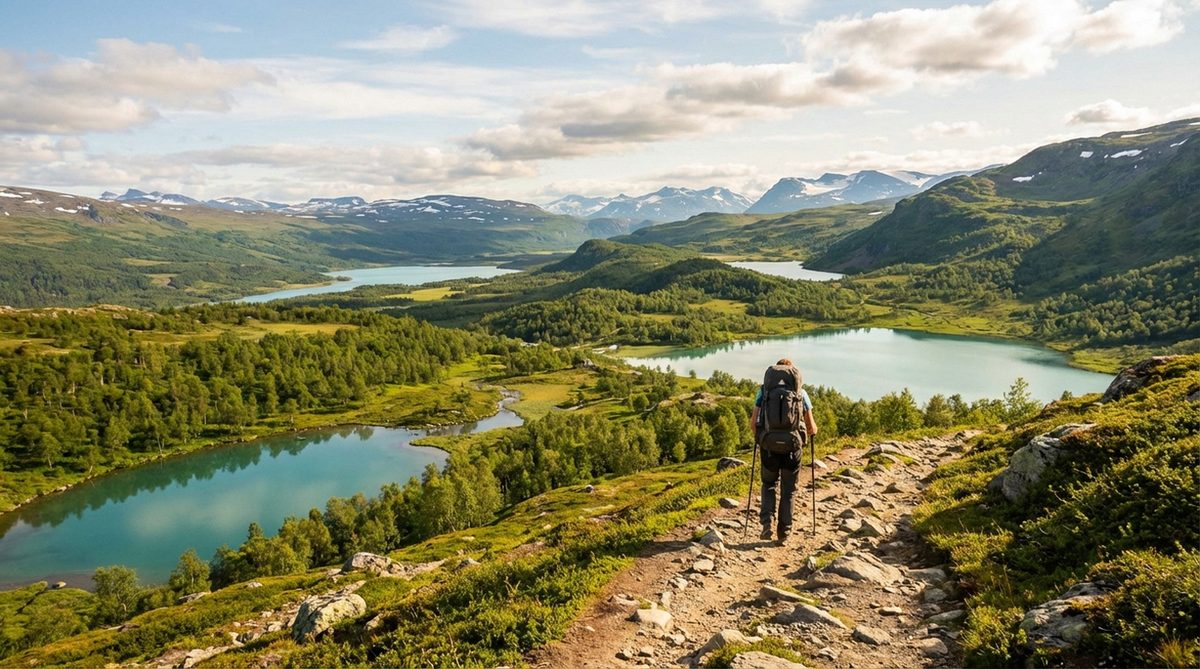
Sweden is an outdoor paradise with 30 national parks, thousands of lakes, vast forests, and the unique Right to Roam (Allemansrätten) that allows you to camp almost anywhere for free. From arctic tundra in the north to sandy beaches in the south, Sweden offers endless opportunities for nature lovers.
Sweden Nature at a Glance
- National Parks: 30 parks covering diverse landscapes
- Lakes: Over 100,000 lakes
- Forest coverage: 70% of the country
- Right to Roam: Camp, hike, and forage almost anywhere
- Wildlife: Moose, reindeer, bears, wolves, lynx
The Right to Roam (Allemansrätten)
Sweden's Allemansrätten is a unique freedom that allows everyone to access nature. You can walk, cycle, ski, or ride across private land, pick berries and mushrooms, and camp for one night - all for free! This makes Sweden one of the world's best countries for outdoor adventures.
Top Hiking Trails
Kungsleden (The King's Trail)
Sweden's most famous long-distance trail stretches 440 km from Abisko to Hemavan through spectacular mountain scenery. The northern section from Abisko to Nikkaluokta (105 km) is the most popular, passing Sweden's highest peak, Kebnekaise.
Sörmlandsleden
A 1,000 km network of trails through the forests and lakes south of Stockholm. Perfect for day hikes or multi-day adventures with regular shelters along the route.
Bohusleden
370 km along Sweden's west coast, from Gothenburg to the Norwegian border. Combines coastal scenery with forest trails.
Best National Parks
- Sarek: Sweden's wildest park - no trails, no facilities, pure adventure
- Abisko: Gateway to Kungsleden, Northern Lights hotspot
- Tyresta: Ancient forest just 20 km from Stockholm
- Stora Sjöfallet: Dramatic waterfalls and mountain scenery
- Skuleskogen: High Coast hiking with Baltic views
- Padjelanta: Vast plateaus and Sami culture
Wildlife Watching
- Moose: Best seen at dawn/dusk, common throughout Sweden
- Brown bears: ~3,000 in Sweden, organized safaris available
- Wolves: Central Sweden, very elusive
- Reindeer: Common in Lapland (semi-domesticated by Sami)
- Arctic fox: Mountain regions, endangered
- Seals: Stockholm archipelago and west coast
Outdoor Activities
- Hiking: Thousands of kilometers of marked trails
- Canoeing/Kayaking: Explore the 100,000+ lakes
- Wild camping: Free almost everywhere (Allemansrätten)
- Fishing: Some of Europe's best - license required for most areas
- Cycling: Well-developed infrastructure and trails
- Foraging: Pick berries and mushrooms freely
Best Time for Outdoor Activities
| Season | Best Activities | Notes |
|---|---|---|
| Summer (Jun-Aug) | Hiking, camping, kayaking, Midnight Sun | Peak season, mosquitoes in Lapland |
| Autumn (Sep-Oct) | Hiking, mushroom picking, fall colors | Beautiful "Ruska" colors, fewer crowds |
| Winter (Nov-Mar) | Skiing, Northern Lights, dog sledding | Cold, limited daylight in north |
| Spring (Apr-May) | Birdwatching, early hiking | Snow melting, trails can be muddy |
Frequently Asked Questions
Can I really camp anywhere in Sweden for free?
Almost! The Right to Roam (Allemansrätten) allows you to camp for one night on most land, including private property. Keep distance from houses (at least 70m), don't camp on farmland or in gardens, and leave no trace. Some nature reserves have restrictions.
How difficult is the Kungsleden?
The Kungsleden is suitable for fit beginners with proper preparation. The trail is well-marked with huts every 15-25 km. The northern section from Abisko is the most popular and has the best infrastructure. No technical skills required, but good boots and weather preparation are essential.
When is the best time to see moose in Sweden?
Moose are most active at dawn and dusk. September-October during the mating season (rut) is when males are most visible. Many wildlife parks offer guaranteed sightings, or join a safari for wild moose spotting.