Northern Lights in Sweden - Your Complete Aurora Borealis Guide
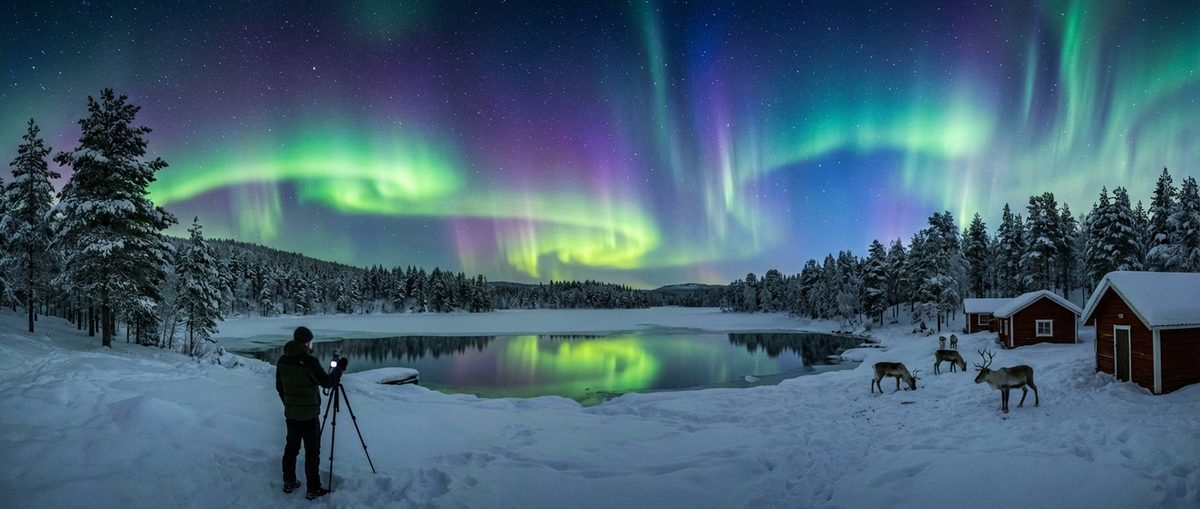
The Northern Lights (Aurora Borealis) are nature's most spectacular light show and one of the main reasons to visit Swedish Lapland. These magical lights dance across the Arctic sky in shades of green, purple, pink and sometimes red - an experience that will stay with you forever.
Best Time to See Northern Lights in Sweden
The aurora season in Swedish Lapland runs from September to March. The optimal months are:
- September-October: Beautiful fall colors (Ruska), mild temperatures, good aurora activity
- November-January: Polar night means maximum darkness, best for viewing but coldest
- February-March: Often considered the sweet spot - longer days, excellent snow conditions, active solar cycle
Best Places for Northern Lights in Sweden
1. Abisko National Park
Widely considered the best place on Earth to see the Northern Lights. The "Blue Hole of Abisko" is a unique microclimate that creates clear skies even when surrounding areas are cloudy. The Aurora Sky Station on Mount Nuolja offers unobstructed 360° views.
2. Kiruna
Sweden's northernmost city offers good aurora viewing with more amenities. The nearby Jukkasjärvi (Icehotel) is a popular base.
3. Gällivare
Less touristy alternative with excellent viewing conditions from Dundret mountain.
Photography Tips
- Tripod: Essential for long exposures
- Settings: ISO 1600-3200, f/2.8 or wider, 10-20 second exposure
- Spare batteries: Cold drains batteries quickly
- Manual focus: Set to infinity
- Keep camera warm: Under your jacket until shooting
Guided Aurora Tours
Professional guides significantly increase your chances. They monitor weather forecasts, solar activity and know secret spots away from light pollution. Tours typically include transport, warm drinks and often a campfire dinner.
Frequently Asked Questions
Can Northern Lights be guaranteed?
No natural phenomenon can be guaranteed. However, with a 4-night stay in Abisko during optimal months, you have over 80% statistical chance of seeing aurora.
What time of night are Northern Lights most active?
Peak activity is typically between 10 PM and 2 AM, but auroras can appear any time it's dark enough. The best approach is to stay out as long as possible.
Do I need special equipment to see Northern Lights?
You only need your eyes! For photography, a camera with manual settings and a tripod are essential. Many tour operators provide thermal suits and equipment.